
CREATIVE CAST
— PORTFOLIO
Architecture
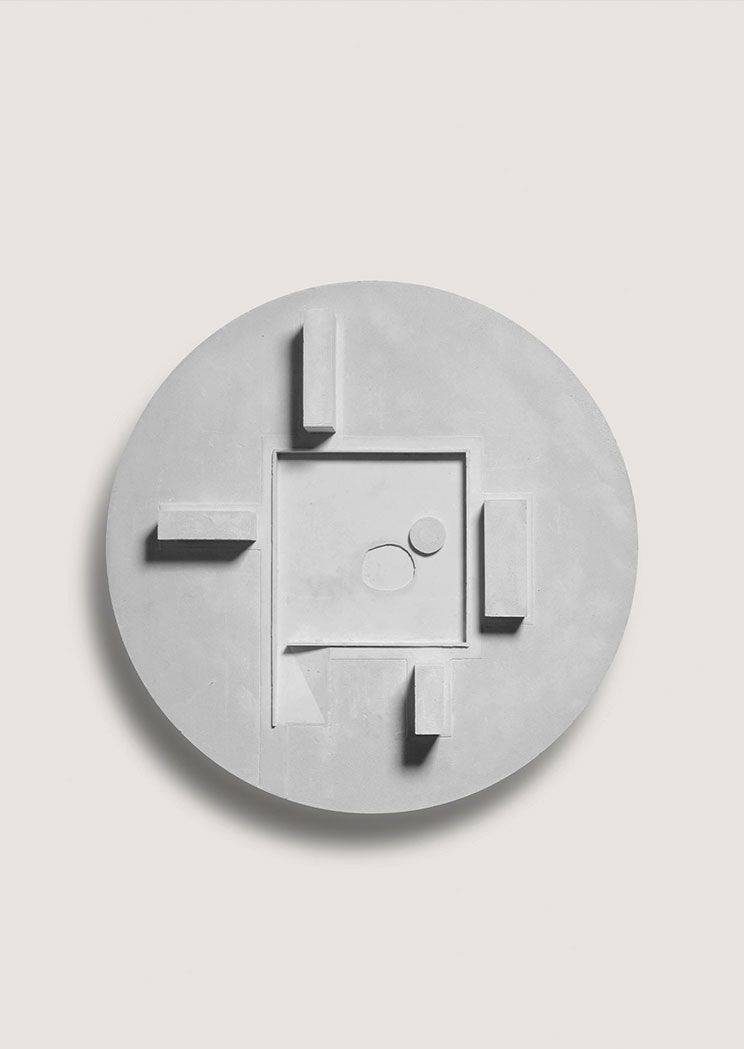
Cast architectural models inhabit the fine line between art and architecture. Welcomed into homes as if they are sculptures, these once functional objects exist somewhere between inconclusiveness and completeness, and reach into our unconscious to provoke a multitude of interpretations. Does it have purpose? What does it represent? What is its scale? How was it made?
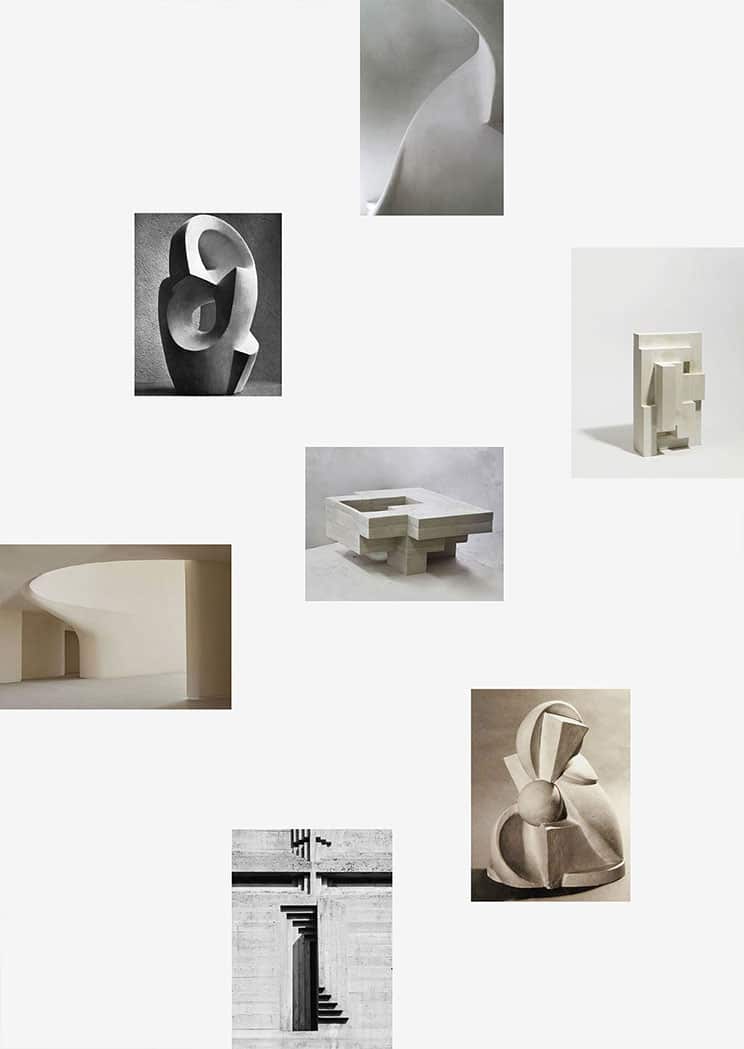
The enigma of cast objects, in particular scale models, has fascinated artists, craftsmen and collectors for centuries. Concrete or plaster casting has long been compared with archaeology or geology: Le Corbusier famously lined the formwork of his béton brut buildings with shells; Constantin Brâncuși, described the unconscious and archaeological dialogue between mould and cast.
To cast literally means to throw. To send something (forcefully) in a specified direction, but with an uncertain conclusion. The art of the craft lies more with designing what will not be there, than what will. It is the alchemical process of casting that transforms them from object to artefact.
Enjoy this meditation on moulds and casting by Justine Bell in Ark Journal VOL IV.
IMAGE (TOP) MARY DUGGAN ARCHITECTS, CAMPUS, plaster model 1:500
CASE STUDY
— DISSONANT BEAUTY
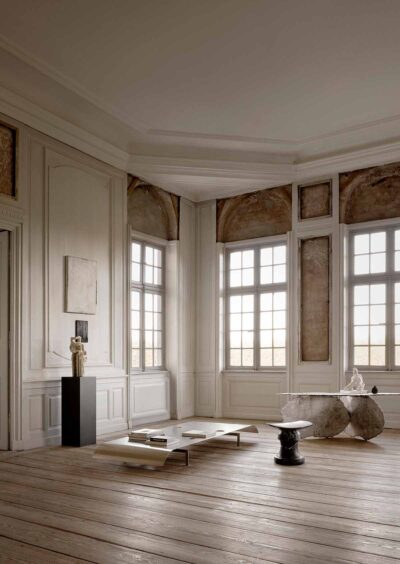
As in music, interior design calls on many elements – rhythm, contrast, repetition – to create that most subjective of visions: beauty.
DESIGN MUMBAI
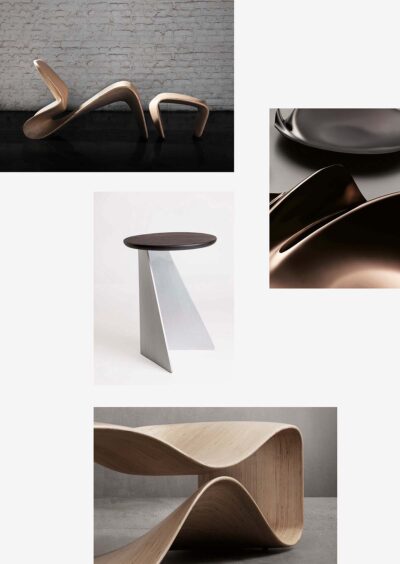
India’s creativity, natural resources, extensive skills, technological advancements and deep historical roots deserve wider recognition and appreciation.
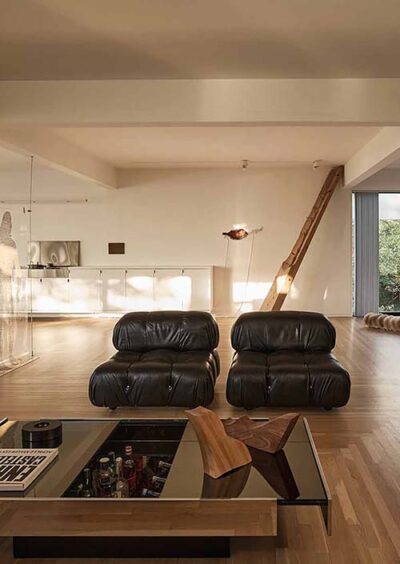
CINCINATTI MODERN
High on a hillside in Cincinnati, sits a two-storey modernist wonder by two unsung heroes of American architecture, built for an art collector in the 1980s and that has been given a sensitive makeover to accommodate the collection of its second owner.
CREATIVE CAST — PORTFOLIO
Architecture
Cast architectural models inhabit the fine line between art and architecture. Welcomed into homes as if they are sculptures, these once functional objects exist somewhere between inconclusiveness and completeness, and reach into our unconscious to provoke a multitude of interpretations. Does it have purpose? What does it represent? What is its scale? How was it made?
The enigma of cast objects, in particular scale models, has fascinated artists, craftsmen and collectors for centuries. Concrete or plaster casting has long been compared with archaeology or geology: Le Corbusier famously lined the formwork of his béton brut buildings with shells; Constantin Brâncuși, described the unconscious and archaeological dialogue between mould and cast.
To cast literally means to throw. To send something (forcefully) in a specified direction, but with an uncertain conclusion. The art of the craft lies more with designing what will not be there, than what will. It is the alchemical process of casting that transforms them from object to artefact.
Enjoy this meditation on moulds and casting by Justine Bell in Ark Journal VOL IV.
IMAGE (TOP) MARY DUGGAN ARCHITECTS, CAMPUS, plaster model 1:500