
LOVE IT AND LIVE WITH IT: JEFFREY GRAETSCH’S BROOKLYN HOME AND RARE DESIGN COLLECTION
ARCHITECTURE
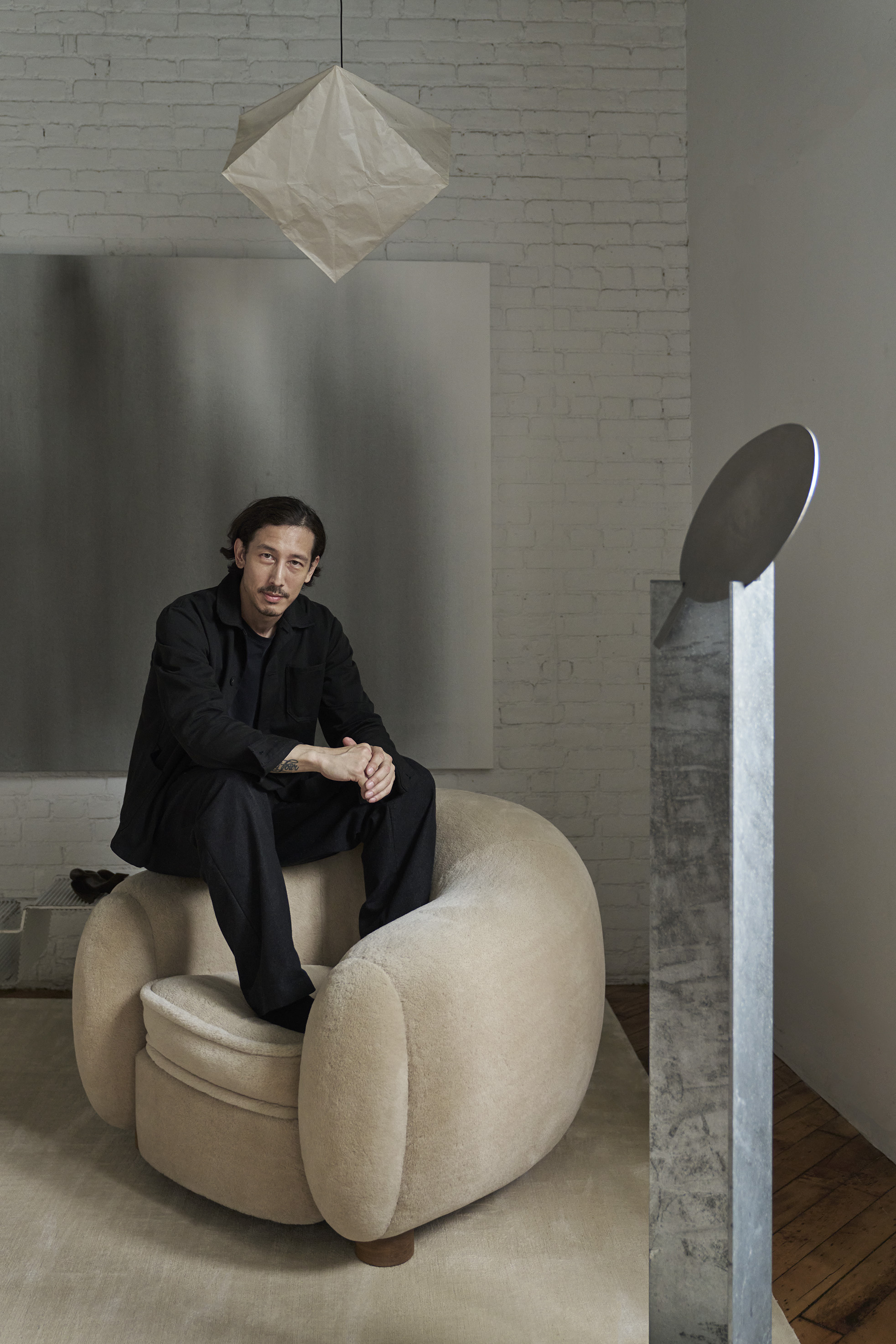
Jeffrey Graetsch has a rather relaxed attitude towards living with valuable furniture. His two young sons have been known to turn Jean Prouvé daybeds into playgrounds, while a dining table by the French designer occasionally requires paint to be scraped from its surface after an afternoon of crafts. For the New York design gallerist and co-founder of Raisonné, these encounters are part of the pleasure of owning objects that were made to be used.
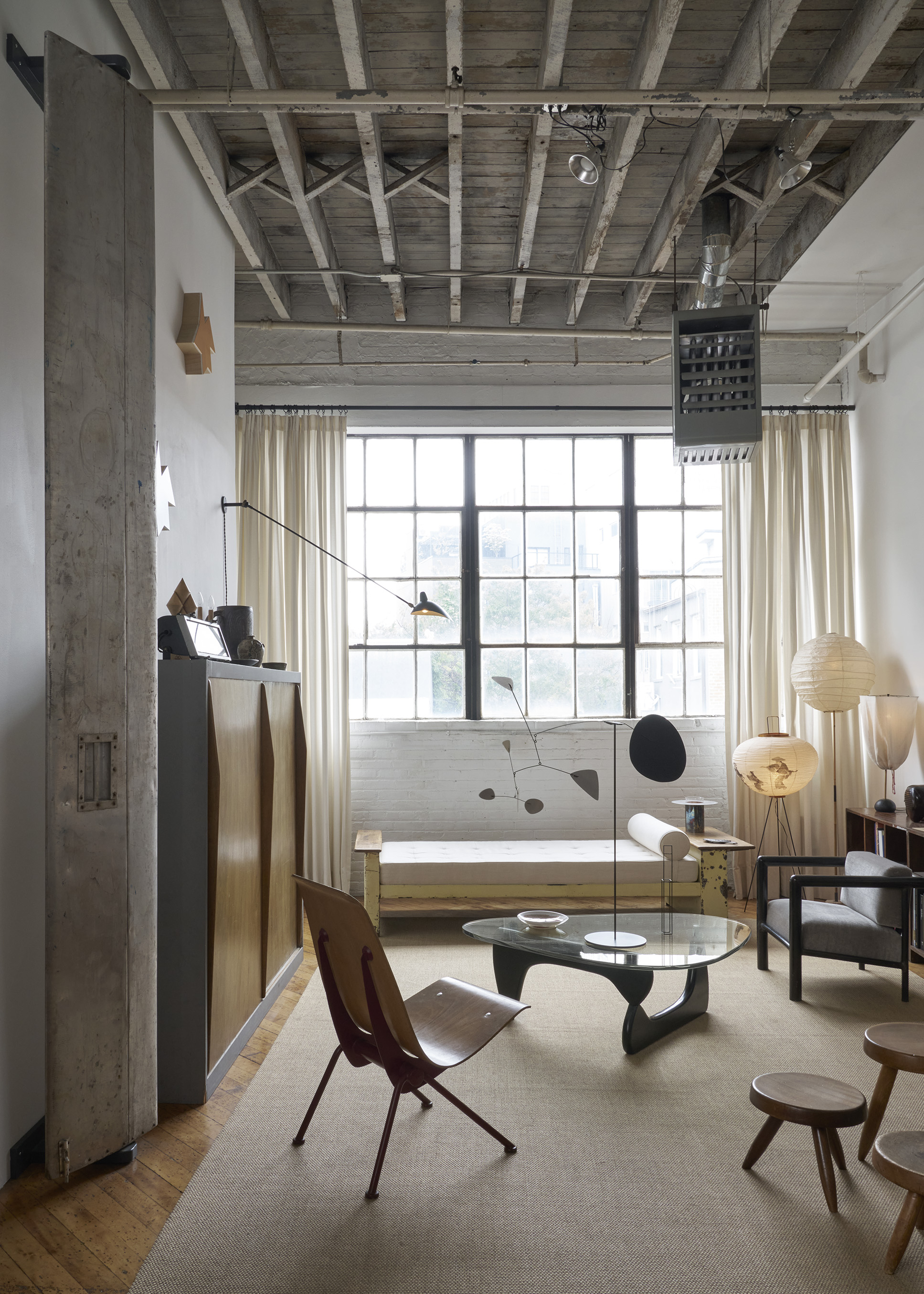
Graetsch has lived in a converted warehouse in Williamsburg, Brooklyn, for 18 years, gradually filling it with furniture and architectural fragments acquired over a lifetime. The former metal-plating factory retains much of its industrial character, with timber floors bearing the outlines of old machinery and traces of oil from its previous occupation. These marks appeal to Graetsch, whose appreciation for patina extends to the extraordinary collection of mid-century design that occupies the rooms.
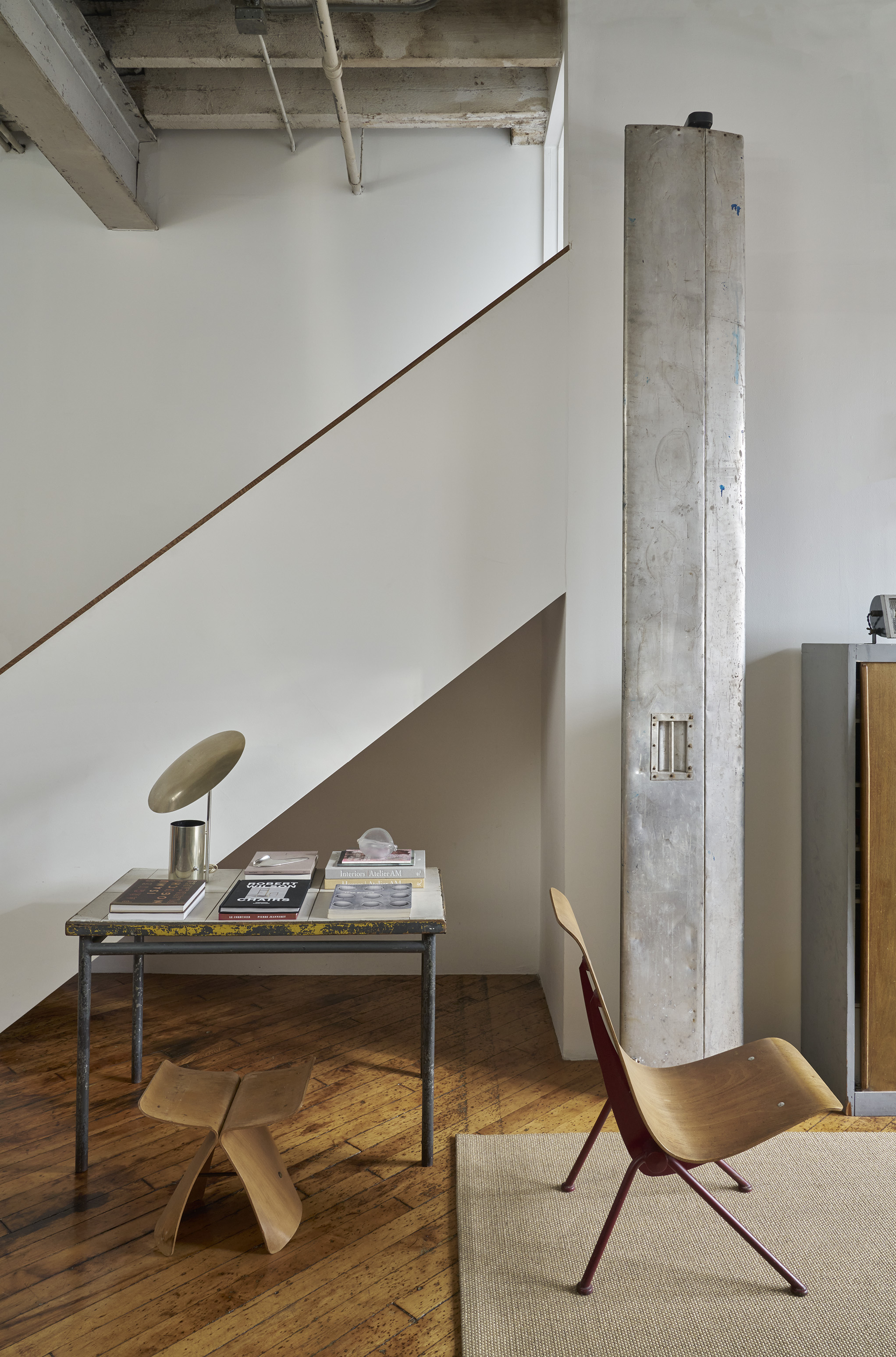
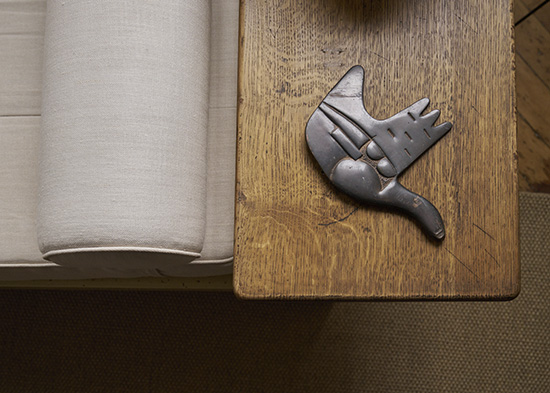
His interest began as a teenager growing up outside Toronto, when he and a friend would drive across the American Midwest buying furniture by Charles and Ray Eames and Florence Knoll from companies clearing out their offices. What started with these discoveries developed into an enduring fascination with European modernism, particularly the work of Jean Prouvé, Charlotte Perriand and Pierre Jeanneret. Today, architectural elements rescued from significant buildings share the warehouse with rare furniture and works by Isamu Noguchi, an artist to whom Graetsch feels a particularly personal connection.
Among the pieces he has acquired, some have become inseparable from his own history. A Mies van der Rohe chaise lounge, for example, was where he recovered after an accident that temporarily left him unable to walk. It has since become one of his son’s favourite places to sit. Its importance to Graetsch has little to do with its market value, and he has no intention of selling it.
In conversation with David Meagher, Graetsch reflects on the early discoveries that shaped his eye, his attachment to Noguchi and the curious business of collecting objects that he cannot imagine parting with. His Williamsburg home offers a particularly personal account of what happens when a lifelong passion for design becomes part of family life.
WORDS DAVID MEAGHER
PHOTOGRAPHY MARTIEN MULDER
STYLIST HELLE WALSTED
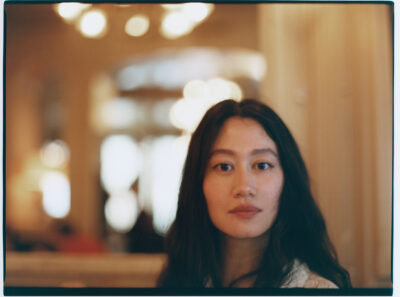
SARAH-LINH TRAN / IN THE REALM OF LEMAIRE: ART, CINEMA AND CREATIVE COLLABORATION
Sarah-Linh Tran has spent the past decade developing a distinct visual language at Lemaire alongside Christophe Lemaire, drawing on interests that extend well beyond the conventions of fashion.
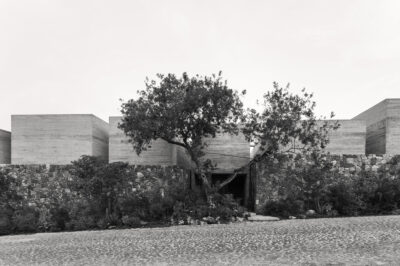
CHIAROSCURO EFFECT: INSIDE MANUEL CERVANTES’ BRUTALIST HOUSE OF LIGHT AND SHADOW
Cajas de Luz translates literally as ‘Light Boxes’, which makes its first impression something of a surprise. Seen from the road above San Miguel de Allende, Manuel Cervantes’ house appears almost determined to keep daylight out.
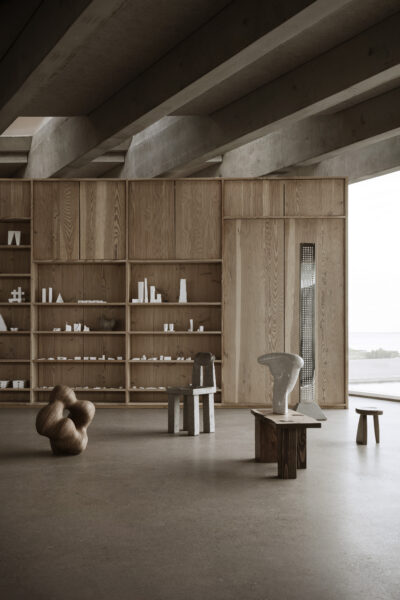
CASE STUDY – STATEMENT OF INTENT
On a narrow pier in Copenhagen’s Nordhavn district, the headquarters of Bjarke Ingels Group (BIG) provides an imposing architectural setting for a study of contemporary furniture and objects. The seven-storey building, constructed from exposed concrete and overlooking the harbour, draws on the industrial character of its surroundings. On its uppermost floor, a series of carefully composed arrangements brings the expressive qualities of individual objects into focus.

MARFA MANIFESTATION: Donald Judd’s Marfa buildings restored through measured restraint
ARCHITECTURE
In the small town of Marfa, Texas, the Judd Foundation cares for 22 buildings acquired by Donald Judd and, since his death in 1994, has preserved them according to his artistic and architectural thinking. Judd believed that his work should be experienced within spatial conditions he had personally conceived, designed and carefully planned.
Judd chose Marfa for its space and lack of people, which gave him more room to think. Through his acquisition of buildings and land, he also sought to protect the landscape from development and its architecture from demolition. “One of the most difficult [ideas] is the one of leaving the land alone,” he wrote in 1987. “Leave it alone or return it to its natural state.”
In September 2025, following a seven year rebuilding process, the foundation reopened the Architecture Office in downtown Marfa. Developed with Schaum Architects, the restoration followed Judd’s principle of delayed intervention: “Do nothing for a day or two and think about it before you act.”
“We have learned through this work that strategically not doing something is much more difficult than producing the new,” says Troy Schaum. “These are projects in which, if we are successful, our hands as designers will leave little trace.”
The restored building houses Judd’s furniture and architectural drawings on the ground floor, with works by John Chamberlain and furniture by Judd and Alvar Aalto upstairs.
Read the full architectural feature in Ark Journal Vol. XI.
WORDS SISSE BRO
PHOTOGRAPHY MARTIEN MULDER


