
SARAH-LINH TRAN / IN THE REALM OF LEMAIRE: ART, CINEMA AND CREATIVE COLLABORATION
ARCHITECTURE
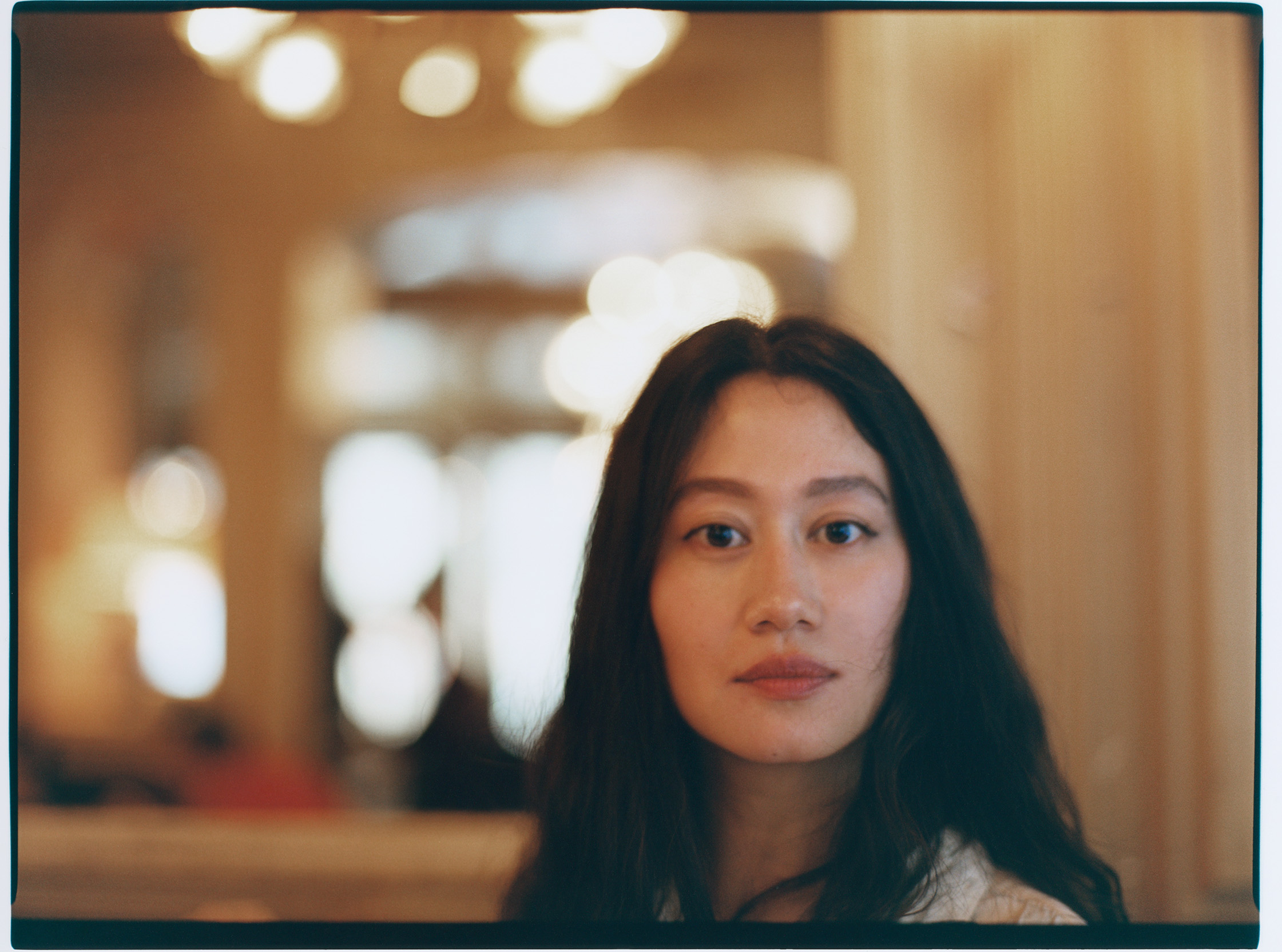
Sarah-Linh Tran has spent the past decade developing a distinct visual language at Lemaire alongside Christophe Lemaire, drawing on interests that extend well beyond the conventions of fashion. Her curiosity about outsider art, cinema and traditional craftsmanship has gradually found its way into the collections and the wider cultural world of the Parisian house, where unexpected collaborations have become an increasingly important part of its identity.
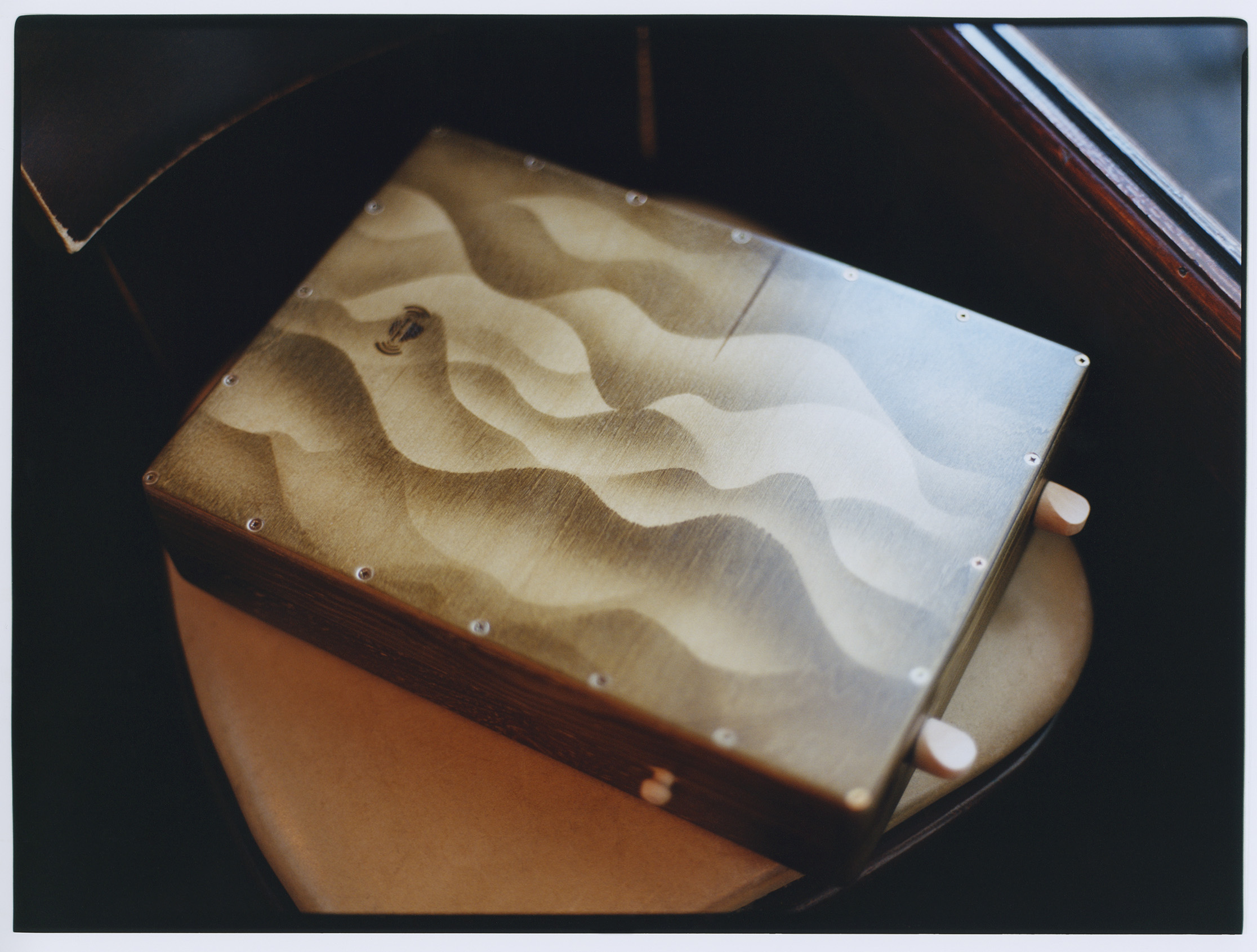
In conversation with Dan Thawley, Tran reflects on the early years of the brand, when its rue de Poitou boutique became a gathering place for people drawn to its atmosphere and the personalities behind it. Music was already central to the experience, while her own encounters with photography and art brut were beginning to influence the creative direction. As the house grew, these interests became more visible through exhibitions and collaborations with artists and craftspeople whose work might otherwise have remained unfamiliar to a fashion audience.
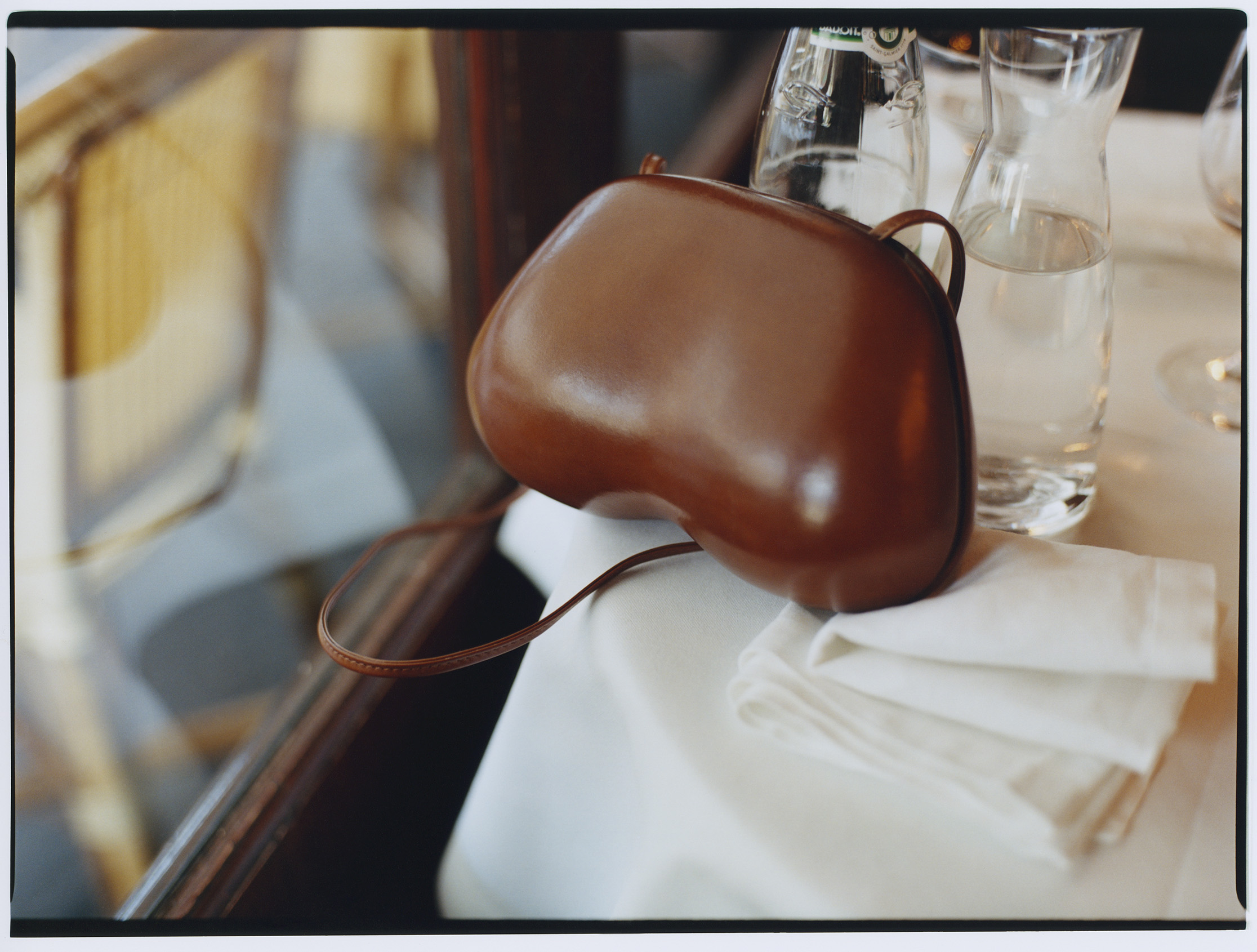
Among them is sculptor Carlos Peñafiel, whose moulded leather objects introduced a playful sensuality to Lemaire’s otherwise restrained wardrobe. Tran recalls the development of the now-recognisable bags inspired by the female body and the unexpected conversations they provoked. Her interest in bringing overlooked work to a wider audience also led to a publishing project devoted to Peñafiel, followed by collaborations with artists including Martín Ramírez and Joseph E. Yoakum.
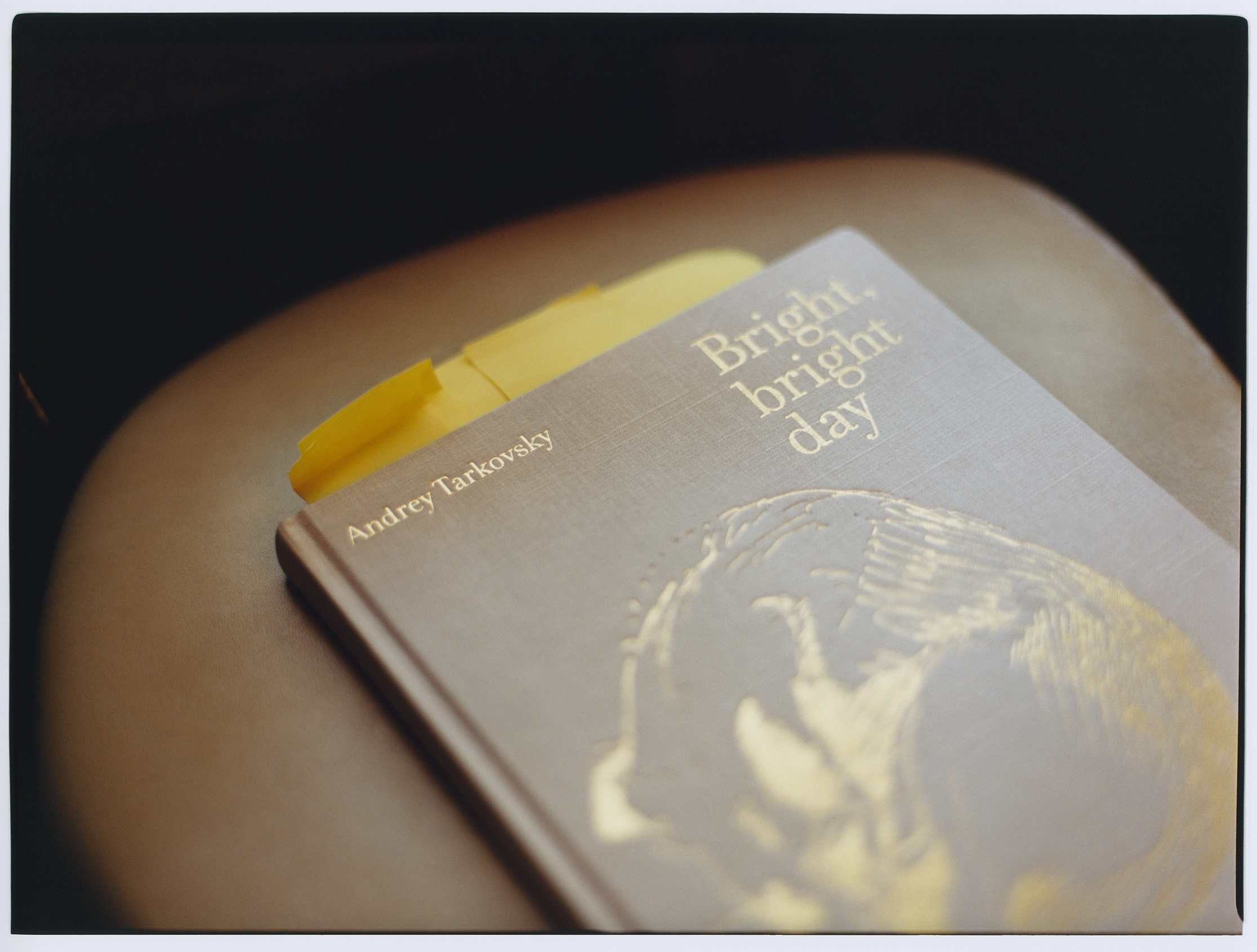
Tran’s relationship with Vietnam, her father’s country, offers another perspective on the way she approaches clothes and visual culture. A return visit, accompanied by photographer Osma Harvilahti, developed into a photographic exploration of the country’s contemporary street life and the movement of garments through everyday settings. Elsewhere in the conversation, she discusses the influence of cinema on the way Lemaire constructs characters and the small, sometimes mischievous objects that have become part of the house’s vocabulary.
Across these different interests, Tran describes a creative process guided by intuition and a willingness to follow ideas into unfamiliar territory. Her conversation offers a closer understanding of the references, relationships and encounters that continue to shape Lemaire.
Read the full conversation in Ark Journal Volume XV.
SARAH-LINH TRAN IN CONVERSATION WITH DAN THAWLEY
PHOTOGRAPHY ESTELLE HANANIA
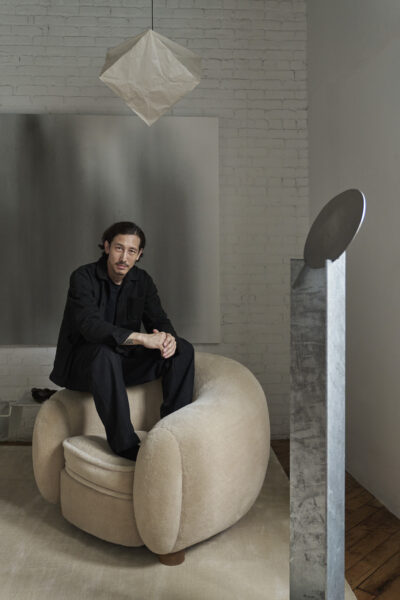
LOVE IT AND LIVE WITH IT: JEFFREY GRAETSCH’S BROOKLYN HOME AND RARE DESIGN COLLECTION
Jeffrey Graetsch has a rather relaxed attitude towards living with valuable furniture. His two young sons have been known to turn Jean Prouvé daybeds into playgrounds, while a dining table by the French designer occasionally requires paint to be scraped from its surface after an afternoon of crafts.
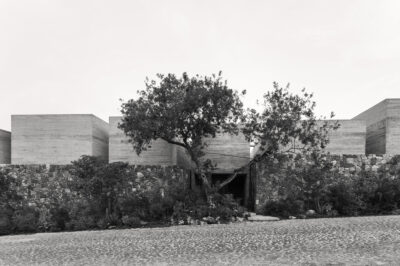
CHIAROSCURO EFFECT: INSIDE MANUEL CERVANTES’ BRUTALIST HOUSE OF LIGHT AND SHADOW
Cajas de Luz translates literally as ‘Light Boxes’, which makes its first impression something of a surprise. Seen from the road above San Miguel de Allende, Manuel Cervantes’ house appears almost determined to keep daylight out.
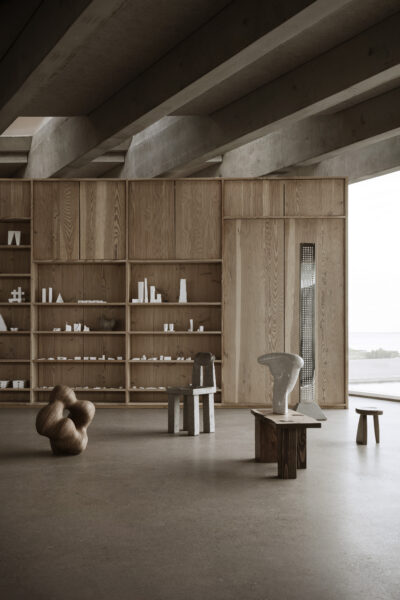
CASE STUDY – STATEMENT OF INTENT
On a narrow pier in Copenhagen’s Nordhavn district, the headquarters of Bjarke Ingels Group (BIG) provides an imposing architectural setting for a study of contemporary furniture and objects. The seven-storey building, constructed from exposed concrete and overlooking the harbour, draws on the industrial character of its surroundings. On its uppermost floor, a series of carefully composed arrangements brings the expressive qualities of individual objects into focus.

MARFA MANIFESTATION: Donald Judd’s Marfa buildings restored through measured restraint
ARCHITECTURE
In the small town of Marfa, Texas, the Judd Foundation cares for 22 buildings acquired by Donald Judd and, since his death in 1994, has preserved them according to his artistic and architectural thinking. Judd believed that his work should be experienced within spatial conditions he had personally conceived, designed and carefully planned.
Judd chose Marfa for its space and lack of people, which gave him more room to think. Through his acquisition of buildings and land, he also sought to protect the landscape from development and its architecture from demolition. “One of the most difficult [ideas] is the one of leaving the land alone,” he wrote in 1987. “Leave it alone or return it to its natural state.”
In September 2025, following a seven year rebuilding process, the foundation reopened the Architecture Office in downtown Marfa. Developed with Schaum Architects, the restoration followed Judd’s principle of delayed intervention: “Do nothing for a day or two and think about it before you act.”
“We have learned through this work that strategically not doing something is much more difficult than producing the new,” says Troy Schaum. “These are projects in which, if we are successful, our hands as designers will leave little trace.”
The restored building houses Judd’s furniture and architectural drawings on the ground floor, with works by John Chamberlain and furniture by Judd and Alvar Aalto upstairs.
Read the full architectural feature in Ark Journal Vol. XI.
WORDS SISSE BRO
PHOTOGRAPHY MARTIEN MULDER


